
Commercial vehicles & fleets
Cars, vans, HGVs, and mixed commercial fleets, arranged directly with dealers to keep delivery times short.
Leasing, asset finance, and Mietkauf each suit a different situation. Below is how we think about each one, and the kinds of equipment we most often work with.
Structure one
Leasing keeps an asset off your balance sheet while giving your business full use of it. Monthly instalments are fixed for the term of the agreement, which makes budgeting straightforward — particularly useful for assets that are updated or replaced every few years, such as vehicles, IT equipment, and production tools that age quickly.
At the end of the term, most of our clients either return the asset, extend the agreement, or move on to a newer model. We talk through the end-of-term options at the outset, so there are no surprises when the contract matures.

Structure two
Asset finance spreads the cost of a larger investment — a production line, a piece of specialist machinery, a warehouse system — across a term that reflects the working life of the equipment itself. Rather than a single strain on cash flow, the cost is met from the value the asset generates as it is used.
We structure repayment schedules around your business cycle where possible, including seasonal adjustments for businesses whose income is not spread evenly across the year.
Structure three
Mietkauf sits between renting and buying: monthly payments count toward the eventual purchase price, so at the end of the agreed term, ownership passes to your business. It is a familiar route for companies that intend to keep an asset for its full working life and want it to appear as owned equipment on the books eventually.
We are upfront about the total cost of ownership under a Mietkauf agreement compared with leasing, so you can weigh both routes with a clear picture of each.

What we finance
Our specialists have built experience across a wide range of asset categories, though the list below is where we spend most of our time.
Cars, vans, HGVs, and mixed commercial fleets, arranged directly with dealers to keep delivery times short.
CNC machines, packaging lines, and other manufacturing equipment financed around real duty cycles.
Excavators, telehandlers, and site machinery for contractors managing multiple projects at once.
Tractors, harvesters, and specialist farm machinery, financed with seasonal cash flow in mind.
Workstations, servers, and office technology refreshed on a leasing cycle that matches useful life.
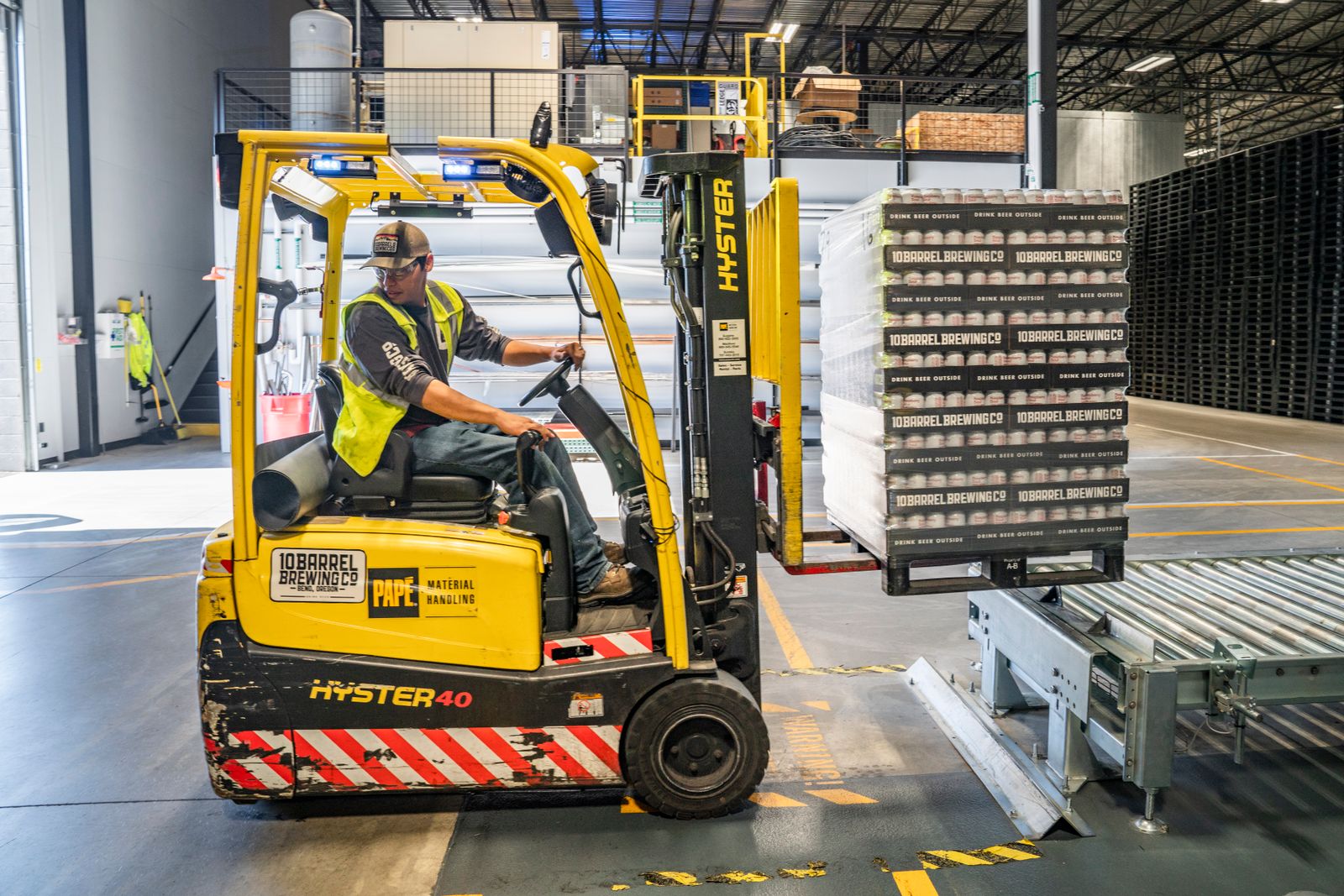
Forklifts, racking systems, and material handling equipment for growing distribution operations.
How a proposal comes together
Step one
We ask about how the vehicle, machine, or system will be used, its expected working life, and what your business needs from the arrangement.
Step two
We put together a proposal comparing leasing, asset finance, and Mietkauf where more than one route applies, with clear figures for each.
Step three
We walk through the agreement together, answer questions, and only proceed once you are confident it fits.
Step four
Once the asset is delivered, we remain your point of contact for questions, adjustments, or end-of-term decisions.
Tell us what you are planning to acquire, and we will recommend the approach that makes the most sense.